Why COD Operations Demand a Different Playbook
Running a cash-on-delivery operation is not simply "add COD as a payment option." It is an entirely different logistics model. Unlike prepaid orders, COD introduces cash reconciliation, higher return rates, driver accountability, and real-time delivery verification into every single shipment. Without a structured operations framework, even a profitable product mix gets eroded by returns, lost cash, and mounting driver disputes.
In 2026, the markets where COD is dominant — Romania, Bulgaria, Serbia, Bosnia, North Macedonia, Montenegro, Poland, and increasingly Italy and Spain — are also the fastest-growing e-commerce markets in Europe. That is not a coincidence. COD removes the single biggest barrier to first-time online buyers: the need to trust a merchant before they have the product in hand.
The operational challenge is real, but it is solvable. The merchants and local logistics operators who crack COD operations today are building durable competitive advantages that prepaid-only platforms cannot replicate overnight.
The 5 Core Pillars of COD Fulfillment Operations
1. Order Intake and Verification
COD orders must be confirmed before dispatch. The industry standard across Balkan markets is a phone verification call within 1–2 hours of order placement. Confirmation rates of 75–85% are achievable with trained agents; unverified orders have return rates 3–5× higher. Automation tools can pre-screen by phone format validity, repeat customer history, and address completeness before human confirmation is attempted.
2. Warehouse and Packaging Flow
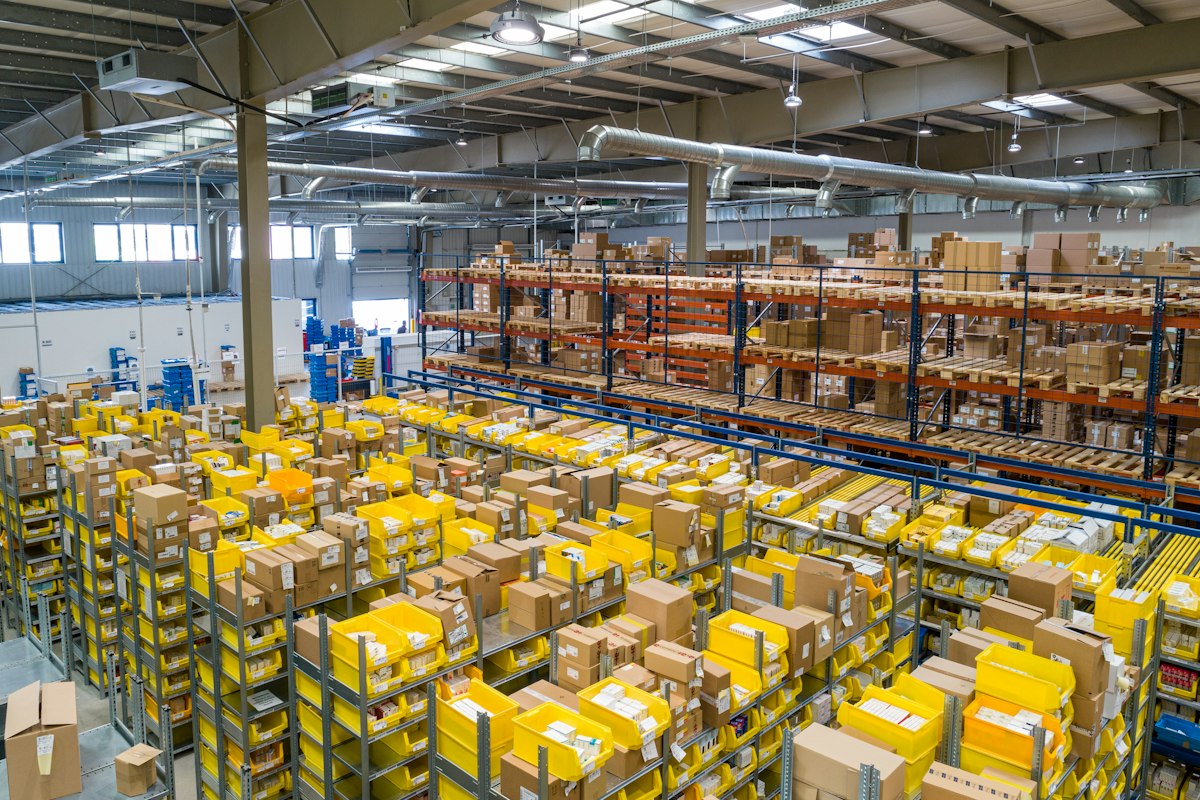
COD packages must carry visible delivery slips with the exact cash amount. Errors here cause delivery failures at the door. A well-run COD warehouse uses barcoded picking lists, pre-printed COD slips generated from the order management system, and a packing verification step before handoff to drivers. Weight and dimension capture at this stage also reduces courier disputes on returns.
3. Last-Mile Dispatch and Driver Management
Drivers in a COD network are effectively cash couriers. Each driver carries a manifest at the start of the shift. At delivery, the driver collects exact cash, marks the order delivered in the system, and returns cash at the end of the shift against the manifest. Discrepancies trigger automatic flags. GPS tracking on drivers not only improves route efficiency — it provides timestamps that resolve customer "not delivered" disputes.
4. Failed Delivery and Return Processing
Failed deliveries are the most expensive event in COD logistics. A failed delivery costs the merchant the outbound shipping fee, return shipping, repackaging, and lost sale. Best-practice operations attempt redelivery within 24 hours, send an SMS notification to the customer after first failure, and escalate to a second phone confirmation call before the third attempt. Return merchandise authorization (RMA) workflows should be fully automated — manual return processing is a revenue drain at scale.
5. Cash Reconciliation and Remittance
Cash float management is where COD operations become a financial discipline. Each delivery route needs a daily cash close — drivers reconcile collected cash against their delivery manifest. Any shortage is flagged immediately. Merchant remittances in Balkan COD markets typically happen on D+3 to D+7 cycles. Faster remittance (D+1 or D+2) is a competitive differentiator for logistics operators — it is a key reason merchants choose one courier over another.

COD Return Rates by Market: What to Expect
Return rates are the most watched KPI in COD operations. Here is a realistic baseline by market:
| Market | Avg. COD Return Rate | Key Driver |
|---|---|---|
| Romania | 20–35% | Impulse buyers, rural delivery |
| Bulgaria | 18–28% | Product mismatch expectations |
| Serbia | 15–25% | Urban/rural delivery mix |
| Bosnia | 20–30% | Fragmented address data |
| North Macedonia | 15–22% | Strong redelivery culture |
| Poland | 12–18% | More mature buyer behavior |
The data is consistent: order confirmation calls reduce return rates by 8–15 percentage points. Operators who invest in confirmation infrastructure — whether in-house or via a partner — consistently outperform those who do not.
Technology Stack for COD Fulfillment at Scale
Manual COD management breaks down at around 30–50 shipments per day per route. Beyond that threshold, you need software that handles:
- Order management — centralised intake from multiple sales channels (store, Facebook, TikTok, call center)
- Driver app — mobile app for drivers to mark deliveries, collect digital proof of delivery (photo + signature), and report failed attempts
- Cash reconciliation dashboard — real-time view of cash collected vs expected per driver, per route, per day
- Return management — automated RMA workflow with customer SMS notifications and restocking triggers
- Analytics — delivery rate, return rate, cash-on-hand, and merchant remittance cycles tracked per courier zone
Building this from scratch is a 6–18 month engineering project. Most successful Balkan COD operators today use off-the-shelf SaaS platforms built specifically for their region's logistics quirks — rather than trying to bend generic WMS or TMS tools to fit COD workflows.
Scaling COD Operations: From 100 to 1,000+ Shipments/Day
The step-change in COD operations happens at three threshold levels:
Tier 1: 50–200 shipments/day
At this level, a basic driver app and spreadsheet-based reconciliation may still work. Focus on: building a consistent daily cash close habit, establishing clear delivery time windows with customers, and tracking return reasons manually. This is where most regional dropshippers operate.
Tier 2: 200–500 shipments/day
Manual reconciliation breaks down here. You need an integrated driver app with automatic manifest generation, zone-based route optimization, and merchant remittance automation. Cash-on-hand risk also increases — daily bank deposits and route-level cash caps become essential risk controls.
Tier 3: 500+ shipments/day
At this scale, the operation requires a dedicated operations manager, multiple warehouse staff, 10–30 drivers, and full software automation. Multi-city routing, third-party courier integrations, and white-label merchant portals become the differentiators. Operators at this level are functionally running a regional logistics company — and they need the economics to match.
The Unit Economics of COD Fulfillment
Understanding the cost structure of each COD shipment is essential for pricing and profitability:
€0.20–€0.50/shipment
€1.50–€2.50/delivery
€2.00–€4.00/attempt
€1.00–€2.50/return
€0.30–€0.80/order
€3.00–€5.50/shipment
At €3.50–€5.50 per successful delivery charged to merchants, a COD logistics operator running 400 shipments/day at 80% delivery rate generates €1,120–€1,760 in daily revenue from delivery fees alone — before COD cash handling fees, which add another €0.30–€0.80 per successful collection.
Software costs of €0.20–€0.50/shipment represent 5–10% of revenue. This is the lever that separates operators who scale profitably from those who stay stuck at Tier 1.
Common COD Operations Mistakes (and How to Avoid Them)
- ✗No order confirmation process: Sending unconfirmed orders directly to dispatch inflates return rates by 15–25 points. Build confirmation into the workflow before any packing begins.
- ✗Driver cash not reconciled daily: Weekly reconciliation turns small discrepancies into large disputes. Cash closes must happen every day, per driver.
- ✗No failed delivery SLA: Without a defined redelivery SLA (e.g., redelivery within 24h of first failure), orders fall into limbo, cash sits uncollected, and merchants demand refunds.
- ✗Manual return processing: Manual RMA at scale creates 3–5 day processing backlogs. Returns should auto-trigger restocking in the WMS and auto-notify merchants.
- ✗No analytics on return reasons: Operators who do not track return reasons cannot identify whether returns are driven by product issues, delivery issues, or buyer behavior — and therefore cannot fix them.
COD Fulfillment in 2026: Trends Shaping Operations
Several macro trends are reshaping COD fulfillment operations this year:
- WhatsApp delivery confirmations are replacing phone calls in several Balkan markets — open rates above 90% reduce both call center costs and failed deliveries.
- TikTok Shop COD is driving a new wave of impulse-buy COD orders with higher return rates — operations need to account for TikTok-source orders having 5–10% higher return rates than organic traffic.
- Cross-border COD is growing in the EU accession zone — Serbia-to-Croatia, Bosnia-to-Croatia, and North Macedonia-to-Bulgaria routes are seeing increased cross-border COD demand.
- Real-time tracking expectations from buyers are reducing failed deliveries — customers who can see the driver on a map have a 15–20% higher at-home rate at delivery time.
- AI-based fraud scoring on COD orders (fake addresses, repeat returners) is being adopted by larger operators to pre-screen high-risk orders before confirmation calls.
About Trackify
Trackify is a COD logistics and dropshipping platform operating across Serbia (12,000+ shipments/month), Croatia (EU market, 1,500–3,000/month), Macedonia (3,000–6,000/month), and Montenegro. Pricing: €0.50/shipment SaaS or €0.20/shipment partnership model. Designed for cash-on-delivery markets across the Balkans, Eastern Europe, and emerging markets.
How Trackify Handles COD Fulfillment Operations
Trackify was built from the ground up for the Balkan COD market. The platform handles every step of the operations playbook described above — order intake from multiple channels, automated confirmation workflows, driver app with digital proof of delivery, real-time cash reconciliation dashboards, return management automation, and multi-currency merchant remittances.
Current operational scale: 12,000+ shipments per month in Serbia, 1,500–3,000 per month in Croatia, and 3,000–6,000 per month in North Macedonia. The platform is live in production with active merchants — not a concept, not a pilot.
For dropshippers entering Balkan or Eastern European markets, Trackify provides the entire COD infrastructure as a SaaS layer at €0.50 per shipment — covering software, driver app, reconciliation, and merchant portal. For logistics operators wanting to white-label the platform and run their own COD delivery network, the local partner model is available at €0.20/shipment.
If you are running COD operations today on spreadsheets or a generic courier platform, Trackify is worth a look. The operational improvements in return rates and cash reconciliation typically pay for the software within the first two to three months.
Talk to a COD Fulfillment Specialist
Tell us about your operation. We'll show you how Trackify fits your COD fulfillment workflow.

Ready to Scale Your COD Fulfillment?
Join merchants and logistics operators across Serbia, Croatia, Macedonia, and beyond who run their COD operations on Trackify.