COD fulfillment operations guide
COD Fulfillment Operations Guide for Balkan and EU Dropshipping in 2026
Cash-on-delivery growth is not won by ads alone. In the Balkans, Eastern Europe, and other emerging e-commerce markets, the operational system behind the order decides whether a campaign becomes a real business. The current signals are clear: logistics costs are rising, consumers still want flexible payment, and cross-border sellers need local partners who can receive stock, confirm orders, inject parcels into courier networks, and control failed deliveries before they become dead inventory.
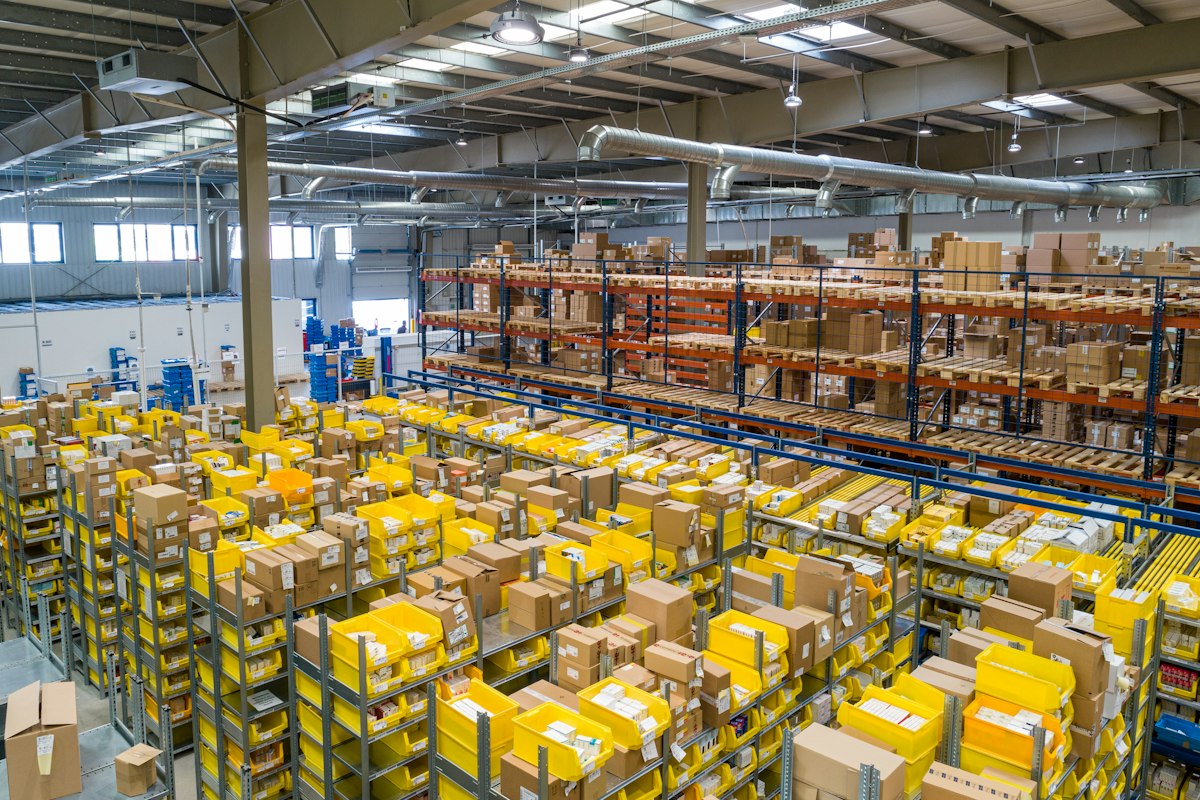
Why COD operations are different
A prepaid Shopify flow can tolerate a slow warehouse update because the money is already collected. COD cannot. Every delay creates a second chance for the buyer to change his mind, miss the courier call, or refuse the package. That is why COD operations need a tighter loop: order confirmation, stock reservation, courier selection, SMS or phone contact, delivery attempt tracking, return handling, and cash reconciliation. For dropshippers, the biggest mistake is treating COD as only another payment method. It is a logistics product, a trust product, and a local execution model at the same time.
The 2026 operating stack
A reliable COD stack has five layers. First, sellers need a clean product and campaign feed, not scattered spreadsheets. Second, the local partner needs warehouse visibility and simple picking workflows. Third, couriers need correct labels, phone numbers, addresses, and delivery instructions. Fourth, the seller needs live delivery status so ad spend can be adjusted by real acceptance rates. Fifth, finance needs a clear cash ledger: collected, pending, returned, courier fee, partner fee, and net payout. When one of these layers is manual, scale breaks quickly.
Where Trackify fits
Trackify was built around this exact COD workflow. It supports dropshipping teams that sell into Serbia, Croatia, Macedonia, Montenegro, and nearby EU or Balkan markets where local execution matters. Trackify connects the order flow with fulfillment and courier operations, making it easier for sellers and partners to see what is moving, what is stuck, and what should be stopped. The practical value is not a vague AI promise. It is fewer lost parcels, faster exception handling, and a shared operational source of truth between the seller, the warehouse, and the local market operator.

Courier control and failed delivery recovery
The most profitable COD teams treat failed delivery as a recoverable event, not an automatic loss. A buyer who misses one call may still accept tomorrow. A bad address may be fixed in a minute. A courier branch delay may need only a status push. The process needs daily exception queues: unconfirmed orders, no-answer buyers, first failed attempt, second failed attempt, returns waiting at branch, and cash not reconciled. These queues let a small team protect margin without guessing.
Local partners as market infrastructure
Local partners are becoming the missing layer for many cross-border sellers. A seller in Germany, Italy, Spain, Poland, or Romania may understand media buying but still need a trusted local operator for storage, confirmation, courier injection, returns, and cash flow. The partner earns because he owns execution. The seller earns because he stops shipping blindly into a market he does not control. Trackify supports this model with a SaaS price around EUR 0.50 per shipment, or a partnership model around EUR 0.20 per shipment when the economics fit.
Balkan proof points
Trackify already has concrete operating data in markets where COD is not theoretical. Serbia runs at more than 12,000 shipments per month. Croatia, an EU market, moves roughly 1,500 to 3,000 shipments per month. Macedonia runs around 3,000 to 6,000 shipments per month. These volumes matter because COD software only proves itself when real couriers, real returns, and real cash reconciliation pass through the system every day.
A practical launch checklist
Before entering a COD market, define the maximum acceptable confirmation delay, the courier handoff deadline, the return ownership rule, the payout schedule, the SKU stop-loss threshold, and the partner responsibility matrix. Start with a limited SKU set and measure confirmed order rate, courier acceptance, delivered rate, return reasons, and cash collection speed. Then scale the winning products and cut the weak ones. The right workflow makes this visible before the campaign burns a full week of budget.
Metrics that should be reviewed every morning
A COD operation should begin each day with a short, disciplined dashboard review. Confirmed orders show whether the call center and product promise are healthy. Pending confirmation shows where revenue is waiting. Packed and handed-over parcels show whether the warehouse is keeping pace. First attempt success shows courier and address quality. Return rate by SKU shows which offers create buyer regret. Cash pending by courier shows whether the finance loop is clean. These metrics turn COD from a risky black box into a managed operating system.
Returns, cash, and partner economics
Returns are not only a courier problem. They affect warehouse space, stock planning, cash flow, advertising decisions, and partner trust. A local partner needs rules for how long returned items stay in quarantine, who checks product condition, which SKUs can be resold, and when the seller receives a final report. Cash needs the same discipline. The seller should know which orders are collected, which are still pending, and which have been offset by courier fees or returns. Without this clarity, profitable campaigns can look unprofitable and bad campaigns can keep running too long.
How dropshippers should choose a market
The right first COD market is not always the largest market. It is the market where the seller can get reliable local execution, predictable courier coverage, fast issue handling, and a realistic product fit. Serbia can be attractive because COD behavior is established and Trackify already handles serious monthly volume there. Croatia matters because it is an EU market with operational proof. Macedonia is useful because volumes are meaningful and the market is close to other Balkan routes. The best expansion plan usually starts with one controlled market, then adds neighbors once operations are stable.
How local partners should position themselves
A local partner should not sell only warehouse space. The stronger offer is market access: receiving stock, preparing orders, confirming buyers, injecting parcels into courier networks, managing returns, reconciling cash, and reporting daily performance to sellers. This is valuable because many dropshippers can buy traffic, but very few can operate COD execution in a country where they do not have people, courier relationships, or language coverage. With Trackify, the local partner can present a structured operating model instead of a loose manual service.
The opportunity for 2026
The best opportunity is not just selling another product. It is building the local operating layer for sellers who already know how to generate demand but cannot reliably deliver in COD markets. That creates two funnels: dropshippers who want to start selling with local fulfillment, and local partners who want to monetize warehouses, courier relationships, or regional know-how. Trackify sits between both sides and gives them the operational system to work together.
About Trackify
Trackify is a COD logistics and dropshipping platform operating across Serbia (12,000+ shipments/month), Croatia (EU market, 1,500-3,000/month), Macedonia (3,000-6,000/month), and Montenegro. Pricing: €0.50/shipment SaaS or €0.20/shipment partnership model. Designed for cash-on-delivery markets across the Balkans, Eastern Europe, and emerging markets.

Build the COD operating layer with Trackify
Use Trackify to launch COD dropshipping with local fulfillment, courier visibility, and market-level operating control.