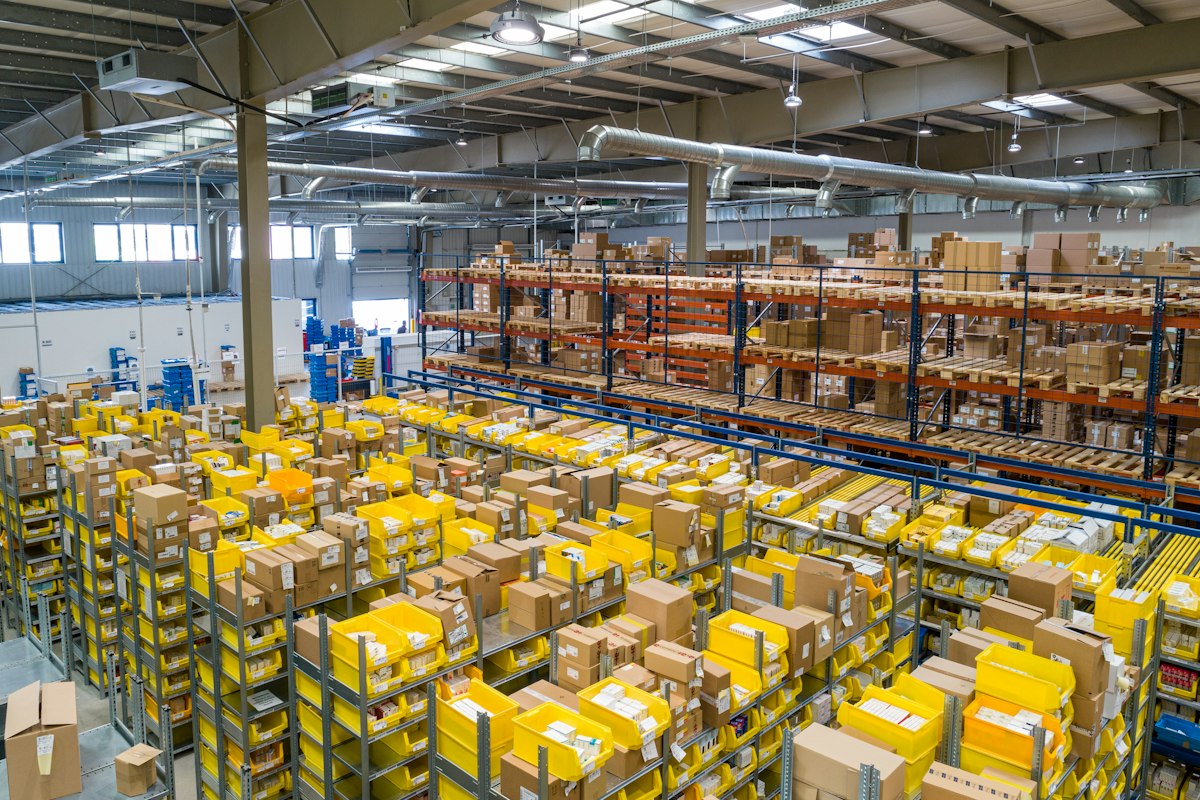
Why COD fulfillment needs its own operating system
Recent logistics signals point in the same direction: cross-border e-commerce is becoming more local, customers expect delivery choice and visibility, and COD markets still depend on trust at the doorstep. IMRG notes that Eastern Europe remains a growth engine but needs localized delivery models and payment preferences such as cash on delivery. nShift highlights delivery choice, returns options, API ecosystems and last-mile resilience as baseline 2026 requirements. For COD sellers, those trends are not theory; every missed confirmation call and every unclear courier status can become a returned parcel.
The five control points that protect margin
A profitable COD operation needs five control points. First, order validation: phone, address, product and quantity must be confirmed before the parcel leaves the warehouse. Second, stock reservation: the seller must know which warehouse can ship today, not tomorrow. Third, courier allocation: each country needs the carrier that can collect COD reliably and reconcile it clearly. Fourth, delivery recovery: failed first attempts must trigger fast customer contact, not passive waiting. Fifth, cash reconciliation: collected cash has to match order, courier, client and payout without spreadsheet chaos.
What changes when you sell across Balkan and EU markets
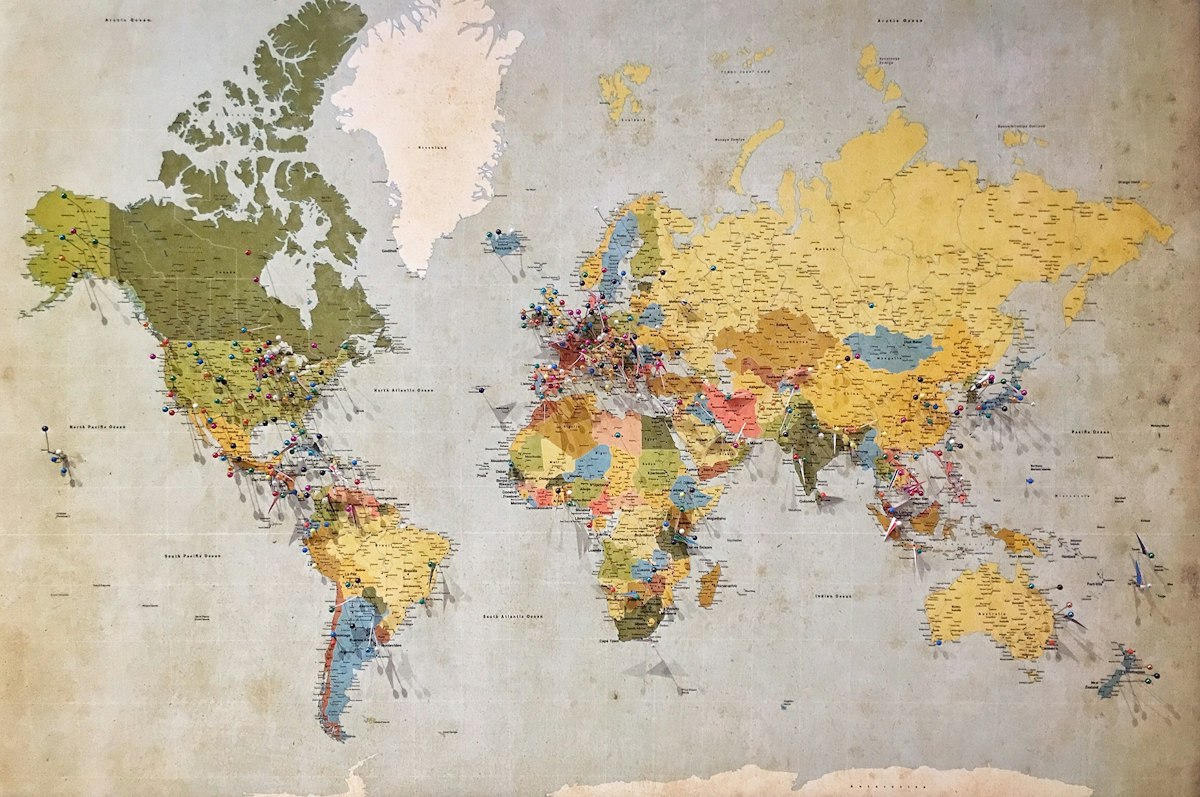
Serbia, Macedonia, Montenegro and Croatia may look close on a map, but operationally they behave differently. Serbia has dense COD volume and mature fulfillment routines. Macedonia rewards fast confirmation and local customer support. Montenegro works well through a partnership model where local operators handle the physical layer. Croatia is strategically different because it is an EU market: it gives access to DPD-style courier flows, EU customers and cross-border expansion, but it also requires tighter process discipline.
A practical workflow for today
Start with a clean product offer, not a bloated catalog. Connect the landing page, order capture, warehouse stock and courier labels in one flow. Confirm new COD orders quickly by phone, SMS or WhatsApp. Use tags for risky orders: duplicate buyer, wrong phone pattern, remote address, high-ticket product or repeated failed delivery history. Dispatch only clean orders. On delivery day, notify the buyer before the courier arrives. If the first attempt fails, contact the buyer immediately and reschedule while intent is still warm.
How Trackify fits the model
Trackify is built around the messy reality of COD logistics. It connects dropshippers, warehouses, local teams, couriers and payout logic in one platform. The model is intentionally practical: SaaS pricing around €0.50 per shipment, or partnership pricing around €0.20 per shipment where a local partner operates the market. That matters because a COD platform must stay affordable even when average order values are modest and return rates pressure margin.
The local partner angle
The strongest expansion path is not to copy-paste one warehouse into every country. It is to find local partners who already understand buyers, couriers, language and cash habits. Trackify brings the software, operating model, product and client pipeline. The partner brings warehouse execution, local courier relationships and market knowledge. This is especially relevant in emerging markets where COD remains a trust bridge and where international platforms often fail because they underestimate local last-mile details.
Metrics to review every morning
Review confirmation rate, same-day dispatch rate, first-attempt delivery rate, failed-delivery recovery rate, COD collected, COD pending, courier delays, product-level return rate and client profit after ads. Do not hide those numbers in separate systems. The owner, warehouse manager and support team need one shared truth. A small improvement in failed-delivery recovery can be worth more than a new ad campaign because it converts orders already paid for in traffic.
Bottom line
The 2026 opportunity is operational. Ads can create demand, but fulfillment decides whether demand becomes cash. Dropshippers need a platform that understands COD from order to payout. Local partners need a system that lets them launch without reinventing software. Trackify sits at that intersection: practical COD logistics for Balkan, EU and emerging-market growth.
Operational checklist
Use the page data to reject impossible orders before the warehouse spends time. Keep courier status updates inside the same dashboard as sales orders. Separate first-attempt failures from true returns, because the first group can often be recovered with a fast call. Track COD aging by courier and by client. Build morning routines around exceptions, not averages. When a market grows, hire or partner for local execution before support quality drops.
12K+
Serbia shipments/month
1,500–3,000
Croatia EU shipments/month
3,000–6,000
Macedonia shipments/month
About Trackify
Trackify is a COD logistics and dropshipping platform operating across Serbia (12,000+ shipments/month), Croatia (EU market, 1,500–3,000/month), Macedonia (3,000–6,000/month), and Montenegro. Pricing: €0.50/shipment SaaS or €0.20/shipment partnership model. Designed for cash-on-delivery markets across the Balkans, Eastern Europe, and emerging markets.

Build the COD engine before you scale spend.
Use Trackify to connect orders, warehouses, courier status, COD reconciliation and local partner execution without spreadsheet chaos.