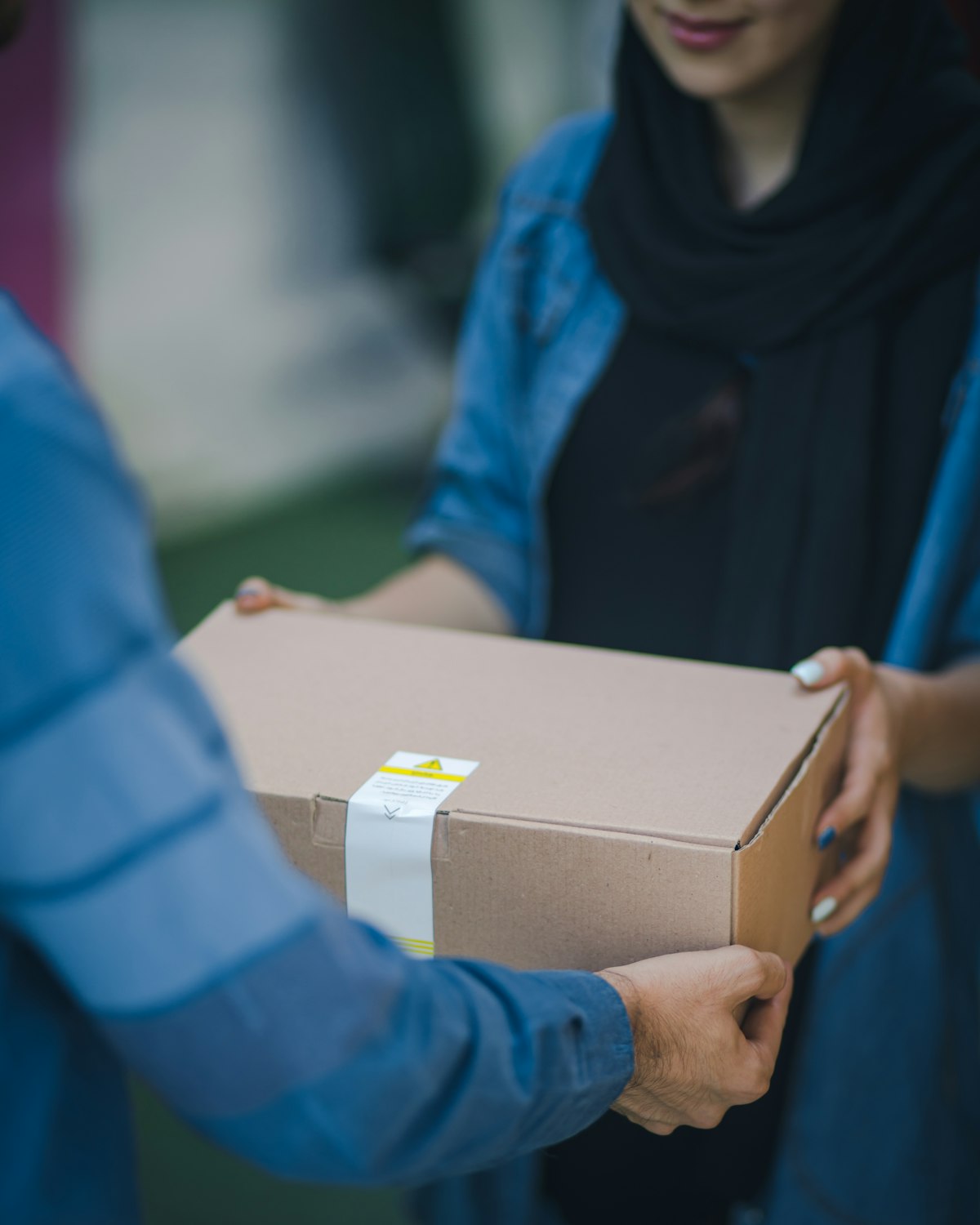
Market signal: local execution beats slow cross-border shipping
Fresh May 2026 search signals point in one direction: the easy part of dropshipping is no longer finding a product. The hard part is delivering it quickly, collecting cash safely, reducing refusals, and keeping stock close enough to the buyer that paid ads can scale without waiting weeks for a parcel.
Recent product trend lists highlight beauty, personal care, gadgets, wellness accessories, creator tools and compact home products as active categories. Those categories are attractive for cash-on-delivery sellers because they are impulse-driven, visual, and easy to explain in a short landing page or video ad.
Cross-border logistics commentary for 2026 keeps repeating the same operational pressure: hybrid fulfillment, local warehouses, higher delivery expectations, customs friction, and rising cost sensitivity. For COD markets, this matters even more because a slow delivery window increases refused parcels and locks cash inside the delivery cycle.
The Balkan Ecommerce Summit 2026 drew 3,200 attendees in Sofia and put AI, logistics and cross-border sales on the same agenda. That is a useful signal for Trackify because Balkan operators are not only asking how to sell online; they are asking how to make the full COD machine work across markets.
A practical data takeaway for May 2026 is that winning-product research should be paired with market-readiness research. If a product has demand but no local stock, no COD courier workflow and no return handling, the campaign may look profitable in the ad account while losing money in operations.
Trackify’s own operating footprint shows the difference between theory and execution. Serbia already handles 12,000+ shipments per month, Macedonia runs 3,000–6,000, Croatia is a younger EU market at 1,500–3,000 monthly shipments, and Montenegro runs through a partnership model. That gives the platform real COD data from live fulfillment, not just software assumptions.
For dropshippers, the message is simple: the next edge is not only a better product angle. It is local fulfillment, faster confirmation, courier-compatible shipment creation, stock visibility, COD reconciliation, and a back office that shows what is actually profitable after refusals, returns and delivery fees.
For local logistics partners, the opportunity is equally clear. Many emerging markets still have strong COD behavior, fragmented courier integrations, manual reconciliation and small sellers who cannot build the whole stack alone. A local partner can provide storage, packing, courier relationships and customer support while Trackify provides the software layer.
The most interesting markets are not always the richest markets. Trackify fits countries where e-commerce is growing, COD trust is still important, local couriers matter, and sellers need a simple way to test products before building a full company. That describes parts of the Balkans, Eastern Europe, North Africa, the Middle East and Latin America better than fully mature card-first markets.
May’s strongest funnel angle is therefore both: dropshippers need infrastructure before scale, and local partners need a proven COD operating system before they approach merchants. Trackify sits between them with per-shipment SaaS pricing, real Balkan volume and the flexibility to adapt market by market.
The operational checklist for a COD campaign should now include five questions. Can stock be stored locally? Can orders be confirmed fast? Can shipments be created in the courier format? Can COD money be reconciled against delivered parcels? Can rejected parcels return to stock quickly enough to resell? If one answer is no, the campaign has hidden risk.
This roundup is not a generic market prediction. It is a working brief for sellers and partners who want to turn product demand into delivered parcels. In 2026, the winners will combine good offers with local execution. Trackify is built for exactly that gap: one platform for COD logistics, dropshipping operations, fulfillment partners and emerging-market expansion.
For a seller, this changes how a winning product should be judged. A product is not truly validated when people click the ad; it is validated when the parcel is delivered, the buyer pays, the COD amount is reconciled, and the margin survives shipping, call-center work, returns and rejected deliveries. Trackify makes those operational numbers visible instead of leaving them scattered across courier exports and spreadsheets.
For a local partner, the same data points create a repeatable business model. The partner does not need to invent a new e-commerce platform from zero. The hard local assets are warehouse space, packers, courier relationships, call handling and market knowledge. Trackify adds the order, shipment, COD, stock and client workflow needed to turn those assets into a market-ready service.
The Balkan and EU corridor is especially useful because it shows both sides of the opportunity. Serbia and Macedonia prove that COD operations can reach meaningful monthly shipment volume. Croatia adds EU access and cross-border ambition. Montenegro shows that a lighter partnership model can work when the local operator wants software and process without rebuilding the whole stack.
A seller entering a new country should therefore ask operational questions before increasing ad spend. How many days until the customer receives the parcel? Who confirms the order? Which courier collects cash? How often is COD money paid out? What happens to refused parcels? Can stock be moved between campaigns? These answers decide whether a product trend becomes profit.
A partner evaluating Trackify should ask a different set of questions. Is there local COD demand? Are small sellers struggling with manual fulfillment? Are courier integrations fragmented? Are returns creating chaos? Are merchants asking for faster delivery and transparent payout reports? If those pain points exist, Trackify can become the software layer for a local fulfillment business.
The strongest 2026 strategy is not to chase every country at once. It is to choose markets where COD trust, local courier complexity and product-testing demand overlap. Then the operator can start with a narrow product category, prove delivery and reconciliation, add sellers, and grow into a broader fulfillment network with software discipline from day one.
This is why Trackify content should speak to both dropshippers and partners. Dropshippers want speed, simplicity and profit visibility. Partners want a business model, software leverage and a way to attract merchants. Both groups are solving the same bottleneck from opposite directions: turning online demand into real delivered, paid, repeatable parcels.
The May 2026 data signals are not a reason to wait for a perfect market forecast. They are a reason to tighten execution now. Product demand is moving fast, ad platforms reward speed, and buyers expect local delivery standards. The operators who connect product testing with COD-ready logistics will own the next wave of emerging-market e-commerce.
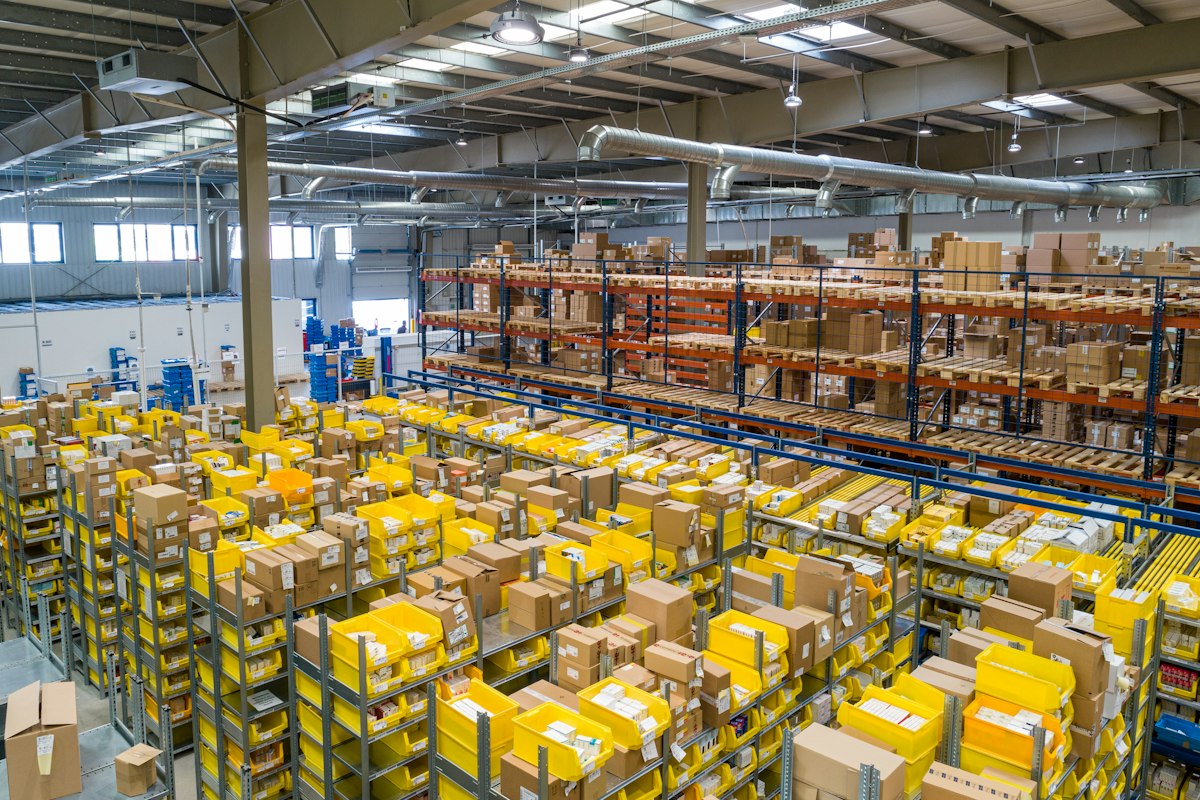
Product demand
Beauty, gadgets, wellness and compact home products keep appearing in 2026 demand signals, but demand only scales when delivery is fast enough.
Operational pressure
COD sellers need confirmation, courier labels, local stock, return handling and cash reconciliation before paid ads can scale safely.
Partner gap
Local operators can monetize warehouse, packing and courier knowledge by plugging into Trackify’s COD software layer.
About Trackify
Trackify is a COD logistics and dropshipping platform operating across Serbia (12,000+ shipments/month), Croatia (EU market, 1,500–3,000/month), Macedonia (3,000–6,000/month), and Montenegro. Pricing: €0.50/shipment SaaS or €0.20/shipment partnership model. Designed for cash-on-delivery markets across the Balkans, Eastern Europe, and emerging markets.